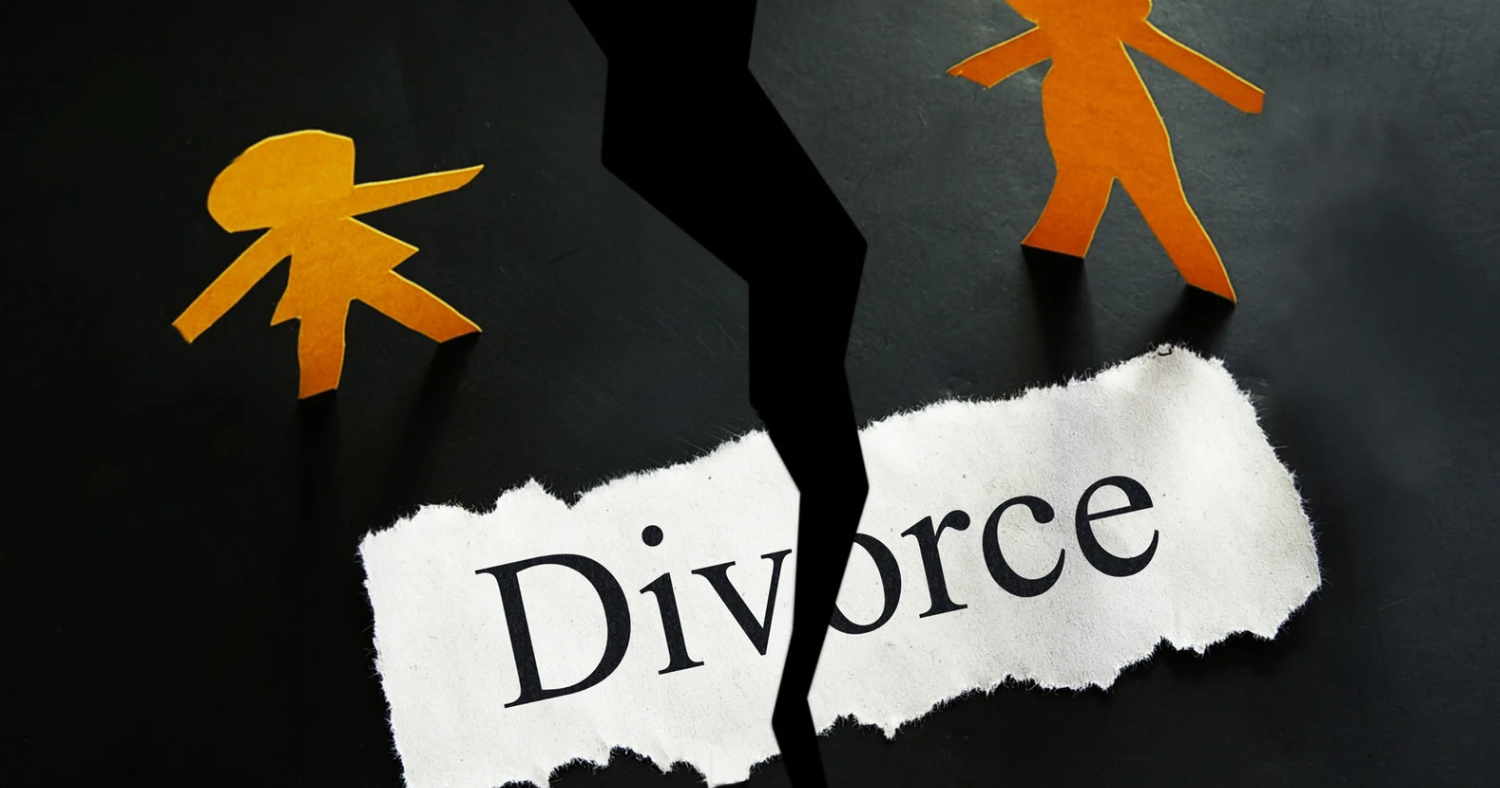

Divorce does not always move forward in a perfectly synchronized way. In some California cases, spouses may be able to resolve their marital status separately from other unresolved issues.
This process is known as bifurcation.
Bifurcation can allow a court to address certain issues in a divorce independently rather than requiring every part of the case to be completed at the same time. One of the most commonly discussed forms is bifurcating the status of the marriage, which can allow a person to become legally single while other matters remain unresolved.
However, bifurcation does not automatically end the entire divorce case. Property division, support, custody, and other issues may still need to be addressed.
Understanding how this process works can help you determine whether it may be relevant to your circumstances.
What Does Bifurcation Mean?
In simple terms, bifurcation means separating legal issues within a case so that they can be decided at different times.
In a California divorce, spouses may have several issues that need to be resolved, including:
- Division of property and debts
- Child custody and parenting arrangements
- Child support
- Spousal support
- Other financial or legal matters
Instead of waiting for every issue to be resolved before addressing marital status, a spouse may ask the court to determine that issue separately.
If the court grants the request, the person may become legally single while the remaining portions of the divorce continue.
Why Might Someone Consider Bifurcation?
Every divorce has different circumstances. There may be situations where one spouse wants to legally end the marriage before the remaining issues have been fully resolved.
For example, someone may want to move forward with a new stage of life while continuing to work through financial or property-related matters.
There may also be practical reasons for separating the marital-status issue from the rest of the case.
However, wanting to become legally single sooner does not mean bifurcation will automatically be granted. The court must consider the applicable requirements and circumstances.
Does Bifurcation Finish the Divorce?
No.
This is one of the most important points to understand.
If a court grants bifurcation of marital status, it does not necessarily resolve the other matters involved in the divorce.
The parties may still need to address issues such as:
- Property and debt division
- Child custody
- Child support
- Spousal support
- Other unresolved matters
The divorce case can therefore continue even after the marital status has been terminated.
Think of bifurcation as separating one part of the case from the remaining issues—not as skipping the rest of the divorce process.
Is There Still a Six-Month Waiting Period?
Yes.
California has a minimum six-month waiting period before a divorce can legally end a marriage. Bifurcation does not eliminate that requirement.
The waiting period generally begins when the other spouse is served with the divorce papers or responds in court.
Therefore, even if a request for bifurcation is granted, the marriage cannot legally end before the applicable waiting period has passed.
What About Financial Disclosures?
Financial disclosure requirements remain important.
California Courts explains that, when requesting bifurcation of marital status, preliminary financial disclosures generally must already have been served or served with the request, unless a qualifying written agreement allows them to be completed later.
This requirement reflects an important principle in family law: separating marital status from the rest of the case does not mean financial responsibilities can simply be ignored.
Could the Court Require Conditions?
Potentially.
A court may require certain conditions when granting a request to bifurcate marital status.
For example, California Courts notes that if one spouse provides health insurance coverage for the other, continuing that coverage until the remaining divorce issues are resolved may be one condition the court requires.
The specific circumstances of each case matter, so it is important not to assume that every bifurcation request will receive the same treatment.
What Should You Consider Before Requesting Bifurcation?
Before deciding whether bifurcation makes sense, it can be useful to consider the larger picture of your divorce.
1. What issues are still unresolved?
Make a clear list of the matters that remain open. The reason for considering bifurcation may be easier to evaluate when you understand what is still pending.
2. Could becoming legally single affect your situation?
Changing marital status can have practical consequences. Depending on your circumstances, you may need to consider matters involving insurance, estate planning, finances, or other personal and legal arrangements.
3. Are there conditions that could apply?
A bifurcation order may involve specific requirements. Understanding those requirements beforehand can help you make a more informed decision.
4. Is the request appropriate for your circumstances?
Bifurcation is not simply a shortcut around the divorce process. It is a legal procedure that must fit the circumstances and applicable California requirements.
What Happens to the Rest of the Divorce?
If marital status is bifurcated, the remaining portions of the case continue.
The parties may still need to negotiate, mediate, or litigate unresolved issues depending on the circumstances.
For example, spouses may continue working toward an agreement concerning property division or support after their marital status has been separately addressed.
The case therefore does not necessarily become simpler simply because one issue has been decided first. The remaining matters still deserve careful attention.
Why Legal Guidance Can Matter
Bifurcation involves more than deciding whether someone wants to become legally single sooner.
There may be procedural requirements, financial considerations, court conditions, and other consequences to evaluate.
A family law attorney can review the circumstances of your case, explain the potential implications, and help you understand the available legal options.
Because every divorce involves different facts, an approach that may be appropriate in one case may not be appropriate in another.
Final Thoughts
A California divorce can involve several separate legal questions, and they do not always have to be resolved at exactly the same time.
Bifurcation may provide a way to address marital status separately from other unresolved divorce issues. However, it does not eliminate the remaining responsibilities in the case or remove California’s minimum waiting period for ending a marriage.
If you are considering bifurcation, understanding the process and potential consequences before making a decision can be valuable.
At MCB Law Firm, we help California clients understand family law matters and the legal options that may apply to their individual circumstances.
📞 +1 (323) 609-8992
🌐 www.meshilegal.com
Legal Disclaimer
This article is provided for general informational and educational purposes only. It is not legal advice and does not create an attorney-client relationship. California family law can vary depending on the facts and circumstances of each case. For advice regarding your specific situation, consult a qualified California family law attorney.